

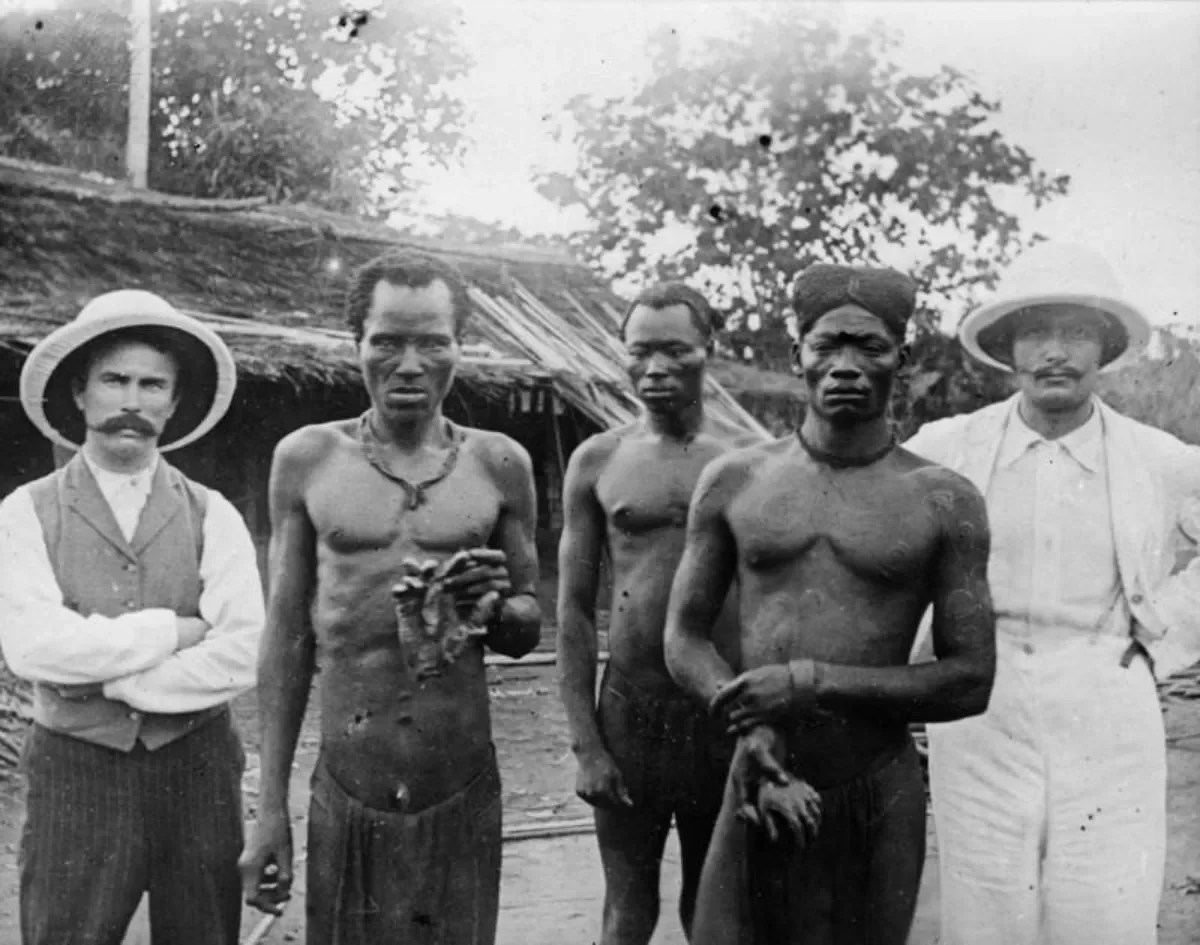
The Lord is not delaying His promise. Instead, He is patient, not wanting anyone to perish but for all people to come to repentance. What may feel like an eternity to those waiting for justice is actually a reflection of God's mercy.
Many Americans, especially those of African descent and immigrants whose nations were affected by colonialism, wonder whether America and other Western countries will ever experience God's judgment for slavery, colonialism, and their interference in the affairs of other nations.
For centuries, White European powers have enjoyed immense wealth and prosperity that many believe stem from resources acquired through the transatlantic slave trade. Many architectural landmarks and monuments, such as the Eiffel Tower, the White House, and numerous palaces throughout Spain, were funded by wealth generated through slave labor. Generational wealth and major corporations owned by Western families can often be traced back to ancestors who owned plantations. Even the world's richest man, Elon Musk, is believed by some critics to have benefited from a system built on the exploitation of African laborers who worked in dangerous mines for very little pay.
Europeans extracted enormous wealth and resources from Africa, relying heavily on forced labor to build the economic power they possess today. Yet many people who reject discussions about slavery and colonialism dismiss these issues as ancient history that should no longer be revisited. They refuse to acknowledge the role these systems played in creating modern wealth and inequality. Instead, they often claim that people of African descent are poor because of laziness rather than historical injustice.
Some argue that people living in poorer nations are simply jealous of Western prosperity because they were unable to resist European domination. Others suggest that Africans and immigrants living in America should be grateful for the opportunities available to them instead of focusing on the past. These views continue to fuel debates about history, responsibility, and justice.
The Effects of Colonialism and Slavery
Colonialism and slavery have had a tremendous impact on the world. They produced a false concept of race, creating ideas about Black and White people that placed White people above others. These systems prevented countless people from enjoying the wealth, resources, and opportunities that belonged to their lands and families.
Over time, many African Americans in the United States became trapped in cycles of poverty, what sociologist Dr. William Julius Wilson describes as the crystallization of "ghetto culture." After centuries of oppression and separation from their ancestral history, culture, and identity, many African Americans experienced a decline in cultural continuity, family stability, and community life. As a result, many wonder whether God will eventually intervene and bring justice.
People throughout the Caribbean, particularly in nations such as Haiti and Jamaica, often ask the same question as they continue to experience poverty and injustice that they believe stem from slavery and colonialism.
Meanwhile, countries such as Nigeria, South Africa, and Ghana continue to develop and grow. Yet many Africans recognize that the effects of colonialism still linger and have slowed economic progress. This leads many to ask: When will God bring His wrath upon the Western nations that have ravaged much of the world?
Is Judgment Near for Western Nations?
Western nations, particularly the United States, are experiencing a rapid increase in immigration from countries affected by colonialism and slavery. Many Europeans and Americans who fear these demographic changes claim that immigrants are invading their countries and attempting to take over. Others welcome this migration and believe it represents a more connected and unified world.
Those who embrace white supremacy often seek policies that would remove immigrants while encouraging immigration from predominantly White nations. However, many believe it is too late to reverse these demographic shifts because immigrants now make up a significant portion of the populations of the United States and Western Europe. Some argue that removing them would severely damage the global economy.
When examining America's finances, it is clear that the country spends more than it saves. The national debt shows little sign of shrinking and will likely continue to grow in the coming decades. Many Americans believe this could eventually trigger a major economic crisis that would disproportionately affect working- and middle-class families.
As of 2026, many Americans are struggling to afford groceries, housing, and other basic necessities. For some, these economic pressures appear to signal that the nation is entering a period of decline.
During the late twentieth and early twenty-first centuries, many Western countries celebrated the legalization of gay marriage. This allowed gay couples to openly express their sexuality without fear of retaliation or social exclusion. At the same time, some Christians believe these cultural shifts have created challenges for openly expressing their faith and allegiance to Jesus Christ.
Issues such as gay marriage, abortion, and transgender rights have also contributed to deep political divisions within the United States. Some Christians believe America is heading toward a judgment similar to that of Sodom and Gomorrah, while others view these developments as signs that the end of the age is approaching (Matthew 24:33).
What Does God Say About the End Times?
In Matthew 24, Jesus says we can recognize the nearness of the end just as we recognize the changing seasons by observing the leaves on a fig tree.
Jesus teaches that there will be persecution of Christians, something that is already occurring in parts of the Middle East and Africa. He also warns that many false prophets will arise and that people's hearts will grow cold as hatred increases (Matthew 24:9-12). Then the good news of the Kingdom of God will be proclaimed throughout the world, and the end will come (Matthew 24:14).
When we look at Western society, with its decline in Christianity and rise in secularism, some believers conclude that the signs Jesus described are already beginning to appear.
Looking at history and the prophecies found in Revelation, some find it easy to conclude that God is bringing people from all over the world back to a nation that resembles Babylon, setting the stage for the final chapters of the end times (Revelation 17-18).
Although Revelation 17 and 18 do not specifically identify the United States or other Western nations, some believe the consumerism, pride, greed, and diversity described within those chapters closely resemble the conditions of modern Western societies.
Consumerism in the West has reached unprecedented levels. Social media and everyday life often reveal a culture in which people possess far more than they need. From clothing and technology to food, makeup, jewelry, cars, and large homes, many people in the West have become wealthy through a system that reflects the luxury and excess associated with Babylon the Great (Revelation 18:3).
However, the Bible also states in 2 Timothy 3:2-4 that in the last days, "people will be lovers of self, lovers of money, boastful, proud, demeaning, disobedient to parents, ungrateful, unholy, unloving, irreconcilable, slanderers, without self-control, brutal, without love for what is good, traitors, reckless, conceited, lovers of pleasure rather than lovers of God."
As Western nations embrace consumerism and increasingly associate material possessions with happiness, this can lead to gluttony, pride, arrogance, and the belief that God is unnecessary. In the eyes of many believers, this reflects the very conditions described in 2 Timothy 3.
Interestingly, consumerism traces many of its roots to economic systems built during the transatlantic slave trade, leading some to argue that its foundation is inherently sinful.
The Hope That African Descendants Should Have
Those of African descent who mourn the injustices experienced by themselves, their families, and their brothers and sisters throughout the diaspora can find hope in the Word of God.
They can place their trust in the Lord, knowing that He will bring justice against the nations and systems that oppressed them and stripped their ancestors of their land, labor, and heritage. Although that justice may seem slow in coming, Scripture reminds us in 2 Peter 3:8-9 that a thousand years are like one day to God.
The Lord is not delaying His promise. Instead, He is patient, not wanting anyone to perish but for all people to come to repentance. What may feel like an eternity to those waiting for justice is actually a reflection of God's mercy. He desires that people turn from their sins and receive salvation (1 Timothy 2:3-4).
Rather than bringing judgment immediately, God is extending grace and providing time for repentance. For believers, this serves as a reminder that God's justice is certain, even when it does not arrive according to human expectations.
