

Does the bible have black characters?
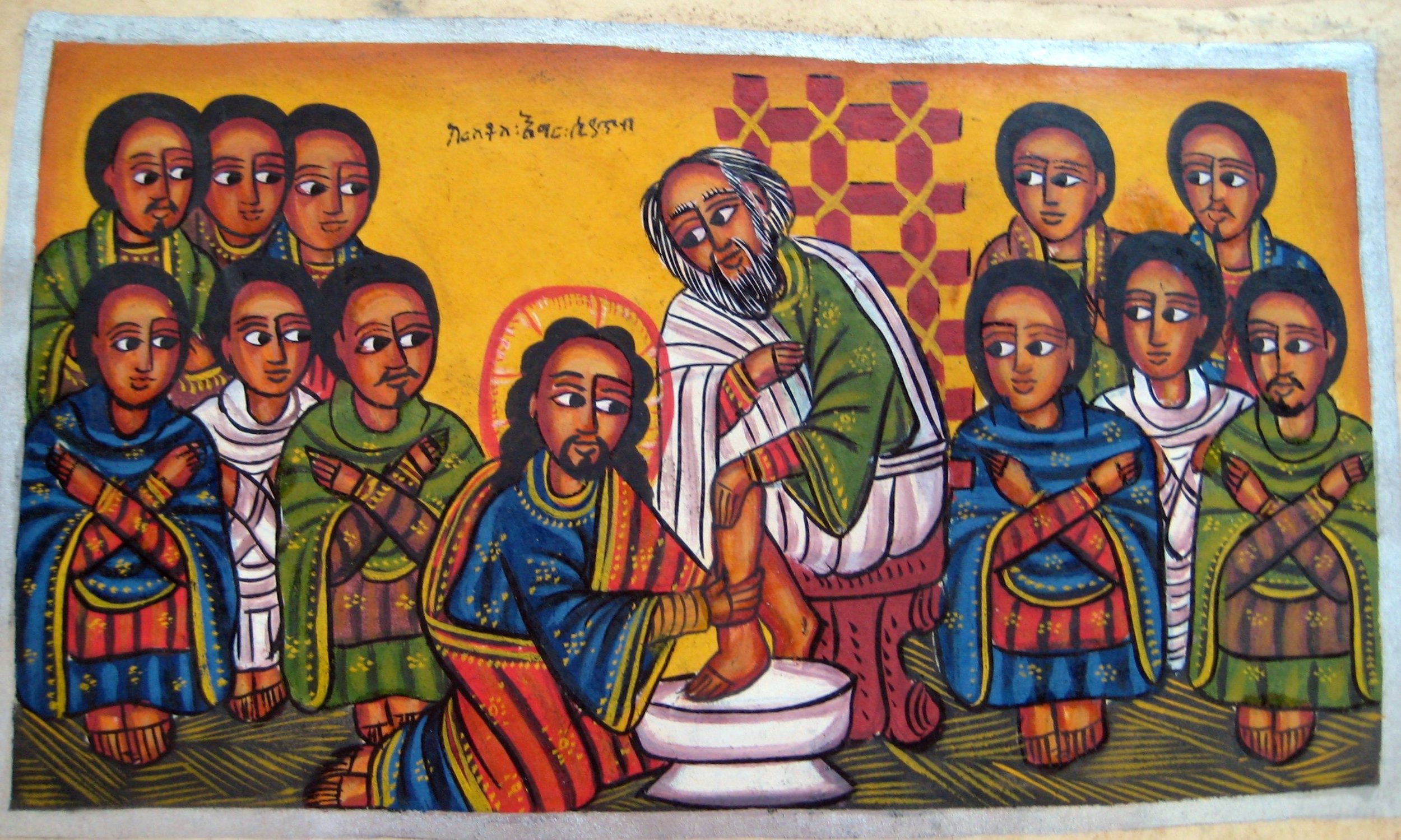
Highlight: The Bible does not describe individuals by race, but by location, lineage, and tribe. Yet these details provide strong clues about the ethnic identities of key figures.
In Christian films, illustrated Bibles, and museum art, biblical figures are often portrayed as white or European. This repeated imagery can lead many to believe that the people in Scripture were all white and that Black people had no role in biblical history. But that is far from the truth. In fact, much evidence suggests that many biblical figures were people of color.
The Bible does not describe individuals by race, but by location, lineage, and tribe. Yet these details provide strong clues about the ethnic identities of key figures.
Old Testament
Zipporah – Moses married Zipporah after fleeing Egypt to Midian (Exodus 2:11-21). She was the daughter of Jethro, a Midianite priest (Exodus 2:16). Numbers 12:1 records Miriam and Aaron criticizing Moses “because of the Cushite woman he married.” Cush was located in modern-day Sudan, a region historically inhabited by dark-skinned people.
Ebed-Melech – A Cushite court official in King Zedekiah’s palace (Jeremiah 38:7), Ebed-Melech rescued Jeremiah from a cistern (Jeremiah 38:8-13). His Cushite heritage connects him to Africa.
Phinehas – The son of Aaron the priest (Exodus 6:25), Phinehas stopped a plague by killing an Israelite man and a Midianite woman engaged in immorality (Numbers 25:7-11). His name is Egyptian, meaning “the Cushite” or “the African.”
Hagar and Keturah – Abraham’s concubines (Genesis 16:3; 25:1). Hagar, an Egyptian slave, bore Ishmael (Genesis 16). Egypt, located in Africa, was populated by darker-skinned people, making it likely that both Hagar and Keturah were women of color.
The Queen of Sheba – She visited Solomon with wealth and questions (1 Kings 10:1-3; 2 Chronicles 9). Tradition places her in Ethiopia or Yemen. The Ethiopian text Kebra Nagast claims her as a Black queen.
The Shulammite Woman – In Song of Songs, Solomon’s beloved celebrates her dark skin (Song of Songs 1:5). Some connect her to the Queen of Sheba.
Prophet Zephaniah – Zephaniah prophesied during King Josiah’s reign (Zephaniah 1:1). He was the son of Cushi, a name meaning “black” and linked to Ethiopia, suggesting African heritage.
New Testament
The Ethiopian Eunuch – A high official of Candace, queen of Ethiopia, encountered Philip while reading Isaiah (Acts 8:27-29). After hearing the gospel, he was baptized (Acts 8:36-38). Clearly of African descent.
Simon of Cyrene – Forced to carry Jesus’ cross (Matthew 27:32; Mark 15:21; Luke 23:26). Cyrene was in North Africa (modern Libya), a region populated by people of darker skin.
Simeon Called Niger – Listed among the prophets and teachers in Acts 13:1. “Niger” is Latin for “black,” strongly indicating his ethnicity.
Lucius of Cyrene – Also named in Acts 13:1 as a leader in the Antioch church. Cyrene’s location in North Africa points to African heritage.
Early Church Fathers
Several influential early church fathers were African, including Clement of Alexandria, Origen, Tertullian, Athanasius, Cyprian, and Augustine of Hippo.
Why Does Race Matter?
In today’s world of racial tension, some claim Christianity is “the white man’s religion.” But this is false. Christianity did not begin in Europe. The Bible includes people from Africa and the Middle East, and God’s love extends to all nations.
Scripture reminds us: “The Lord does not look at the things people look at. People look at the outward appearance, but the Lord looks at the heart.” (1 Samuel 16:7)
For those who have been historically oppressed and told they contributed nothing to society, seeing representation in Scripture brings dignity, honor, and confidence. It affirms that Black people matter just as much to the Creator of heaven and earth as anyone else.
