

Black Churches Need More Testosterone, Not Estrogen
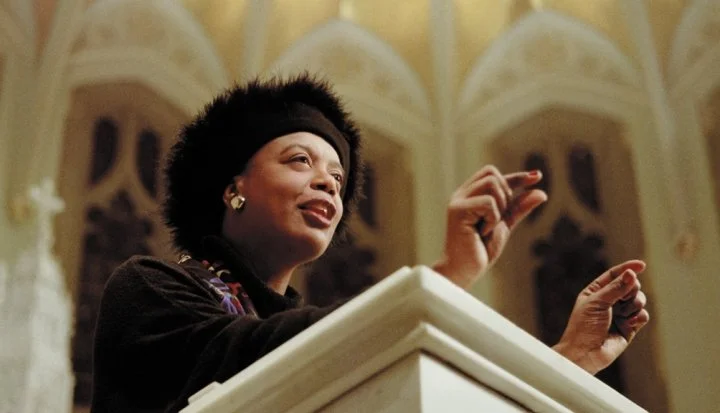
Without men, the church becomes emotionally heavy, spiritually imbalanced, and culturally powerless.
“A pastor must be the husband of one wife.” (1 Timothy 3:2)
When the 1960s hit, the Black community went through a spiritual earthquake. As single motherhood skyrocketed, something else quietly slipped out the back door: Black men. The pews that were once filled with fathers, husbands, and young men hungry for God became dominated by single women and mothers carrying the weight of the world on their backs.
At the same time, new Black religious identity movements rose, groups that spoke directly to the anger, frustration, and masculine wounds of Black men who felt unseen and unheard. These movements offered what the church no longer did: strength, identity, and a sense of power.
To many men, the Civil Rights Movement felt too soft, too passive, too “turn the other cheek.” They wanted a message that matched the fire in their bones, which is why Malcolm X became a hero to so many.
But here’s the truth:
God is not weak. God is not soft. God is not feminine.
Yes, He is gentle with His children — but He is also a warrior, a commander, a King. God calls men to lead, to protect, to teach, to build, and to carry responsibility.
And when men step out of their God-given role, the entire community feels the collapse.
Feminist Sermons and the Softening of the Church
When feminism exploded in America, the Black community embraced it, not realizing the spiritual cost. More women began leading homes without men, supported by welfare systems that replaced husbands with government checks. Black male unemployment shot up, and with it came poverty, broken families, and the rise of the “ghetto mentality.”
Instead of confronting the spiritual root of the crisis, many Black pastors adjusted their sermons to fit their new audience: women.
Suddenly, the message shifted:
“Strong Black mothers”
“God sees your loneliness.”
“God will restore your home even if the man won’t.”
Jesus was hardly emphasized as the Lion of Judah, the warrior who conquers nations. Instead, He was presented as soft, emotional, and passive, a Jesus who only comforted but rarely commanded.
Worship became more emotional, more feminine, more tear-filled than battle-ready.
Men felt invisible.
Men felt unwanted.
Men felt stripped of dignity.
And they left.
The Rise of Homosexuality in the Black Church
As America embraced new social movements, the Black church struggled to respond biblically. Homosexuality grew rapidly in the mid-20th century, especially in urban Black communities. Today, young Black people are among the highest identifiers of LGBTQ+ identities.
Even Coretta Scott King — wife of Martin Luther King Jr. — became a vocal supporter of LGBT rights, calling it a civil rights issue equal to race.
As more gay men filled the pews, some pastors eventually came out themselves. The church, already feminized, became even less appealing to straight Black men who were already feeling pushed out.
Feminism rose.
Homosexuality rose.
Masculinity fell.
And the church said almost nothing.
Female Pastors and the Weakening of Men
The 20th century brought something the Black church had never seen before: women becoming pastors and elders. Some churches even placed women as head pastors over entire congregations — including over men.
But Scripture is clear:
“A pastor must be the husband of one wife.” (1 Timothy 3:2)
“A pastor must be the husband of one wife.” (Titus 1:6)
The text does not say “spouse of one spouse.”
It does not say “he or she.”
It says husband — because God designed the pastoral role for men.
Some argue, “But Deborah was a judge!”
Yes — and the Old Testament also had polygamy, concubines, and kings who married hundreds of women.
Just because something happened in the Old Testament does not mean God prescribes it today.
The New Testament gives the blueprint for the church, and that blueprint places men in leadership and women in support roles (1 Timothy 2:11-14; 1 Corinthians 11:3).
When women take over the pulpit, men weaken.
When men weaken, sons weaken.
When sons weaken, families collapse.
When families collapse, communities fall apart.
Black Men Must Take Their Position Back
If Black men do not return to the church, society will continue to crumble.
The church is the blueprint for the world.
If the church is confused about gender roles, the world will be confused about gender identity.
If pastors do not boldly teach the roles of men and women, the culture will continue pushing transgender ideology and redefining masculinity.
Churches must:
Preach sermons that call men to lead
Teach the importance of husbands and fathers
Go into the community and find the missing men
Evangelize them
Restore their dignity
Tell them the church needs them
Because without men, the church becomes emotionally heavy, spiritually imbalanced, and culturally powerless.
God’s View on Men and Women in the Church
God is not anti-woman.
God is not withholding equality.
But God’s definition of equality is not the world’s definition.
Scripture says:
Women experience childbirth pain as part of the fall (Genesis 3:16)
Men are called to love their wives sacrificially (Ephesians 5:25-33)
Women are called to respect their husbands (Ephesians 5:25-33)
Men are called to lead (1 Timothy 2:11-14; 1 Corinthians 11:3)
Women are called to support (Genesis 2:18)
Both are equal.
Both are valuable.
Both are necessary.
But their roles are different — by God’s design.
Men must not mistreat women.
Men must honor women like the Proverbs 31 woman.
But men must also lead boldly, lovingly, and biblically.
When men return to their God-given position, the church will regain its strength.
And when the church regains its strength, the Black community will begin to heal.
