

Why is West and Central Africa Not Mentioned in the Bible?
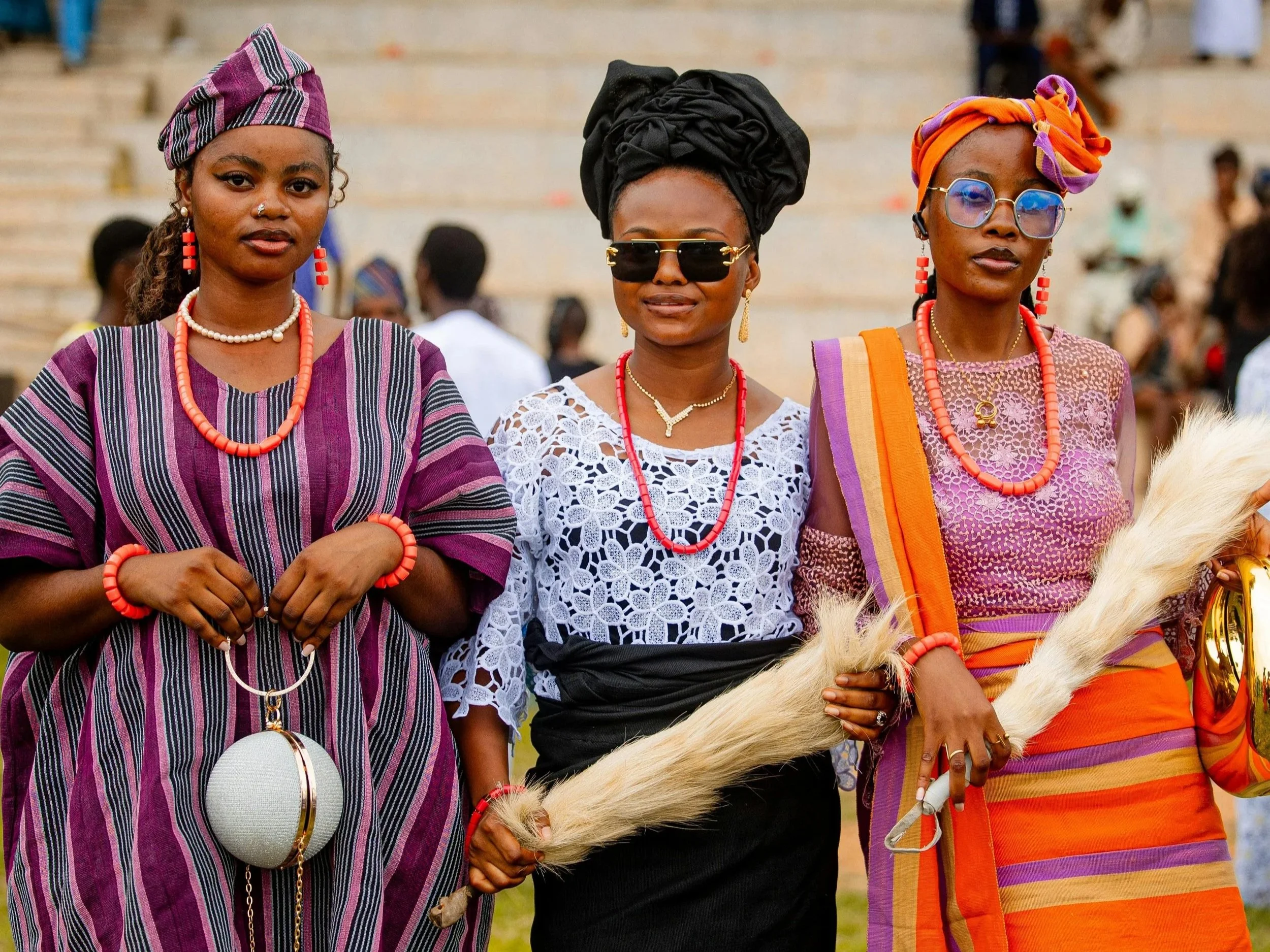
Revelation 7:9 describes heaven as filled with “a great multitude… from every nation, tribe, people, and language.”
A lot of people from West and Central Africa, and across the Black diaspora, have wondered why their homelands don’t show up in the pages of Scripture. When you grow up in a world where history books reduce your ancestors to slavery, colonization, and suffering, it’s easy to feel like the Bible wasn’t written with you in mind. Add to that the Westernized image of Jesus, pale skin, blue eyes, soft features, and many young Black people start to feel disconnected from the story of God.
But that image is a lie.
And the idea that West and Central Africans are somehow “outside” God’s story is an even bigger lie.
The Bible centers on Israel because God’s covenant people were the Israelites. The nations mentioned in Scripture are the ones surrounding Israel, the ones directly interacting with them. That doesn’t mean God ignored the rest of the world. It simply means the Bible follows the story of redemption through one specific family line. West and Central Africans are just as loved, just as valued, and just as seen by God as anyone else.
African Countries Are Mentioned in the Bible — Just Not the Ones You Expect
The Bible doesn’t mention the United States, the Caribbean, South America, or West and Central Africa, not because these places don’t matter, but because the biblical story takes place in a specific region. Civilization began in the Middle East (Mesopotamia), and from there humanity spread across the world. That means Black people, including ancestors of West and Central Africans, were present from the very beginning.
The Bible does mention African peoples: the Cushites, the Kemetics, the Ethiopians, and the Egyptians. These groups lived in North and East Africa, close to Israel, which is why they appear in Scripture. Their presence shows that Africa has always been part of God’s story, powerful, influential, and deeply connected to biblical history.
West and Central Africa in the End Times
When the New Testament describes the end times, it focuses on nations that will directly clash around Israel. Many theologians believe countries like Russia, the United States, European nations, and Israel will be central in this conflict. But that doesn’t mean Africa is absent.
The Bible specifically mentions Cush, a region that includes modern‑day Ethiopia, Sudan, and South Sudan. In Isaiah 11:11, Cush is listed as one of the places where God will gather the remnants of His people in the last days. This suggests that the true Israelites are not limited to one ethnicity and may include people of African descent. Psalm 68:31 says that “Cushites will spread out their hands to God.” Daniel 11:43 describes Cush being conquered and forced to submit to the kingdom of the North, a global power that will dominate the world for wealth and influence while pretending to support Israel.
This means Africa is part of the prophetic picture.
And West and Central Africans are not excluded from God’s plan.
Those who belong to Christ will be gathered to Him.
Those who reject Him will face the same global pressure to submit to the antichrist described in Revelation 13:1-18, who will demand worship from the entire world.
Heaven Includes West and Central Africans — God Said So
The book of Revelation gives the final answer. Revelation 7:9 describes heaven as filled with “a great multitude… from every nation, tribe, people, and language.” That means every corner of the world — every culture, every shade of melanin, every background — will stand before God in worship.
West Africans.
Central Africans.
Caribbeans.
Black Americans.
All of us.
God’s kingdom is not Eurocentric.
It is not Middle‑Eastern‑only.
It is global, diverse, and beautifully multi‑ethnic — exactly the way God designed it.
